Wednesday, 13 April 2016

Branch Lines an exhibition at Linlithgow Burgh Halls

Elaine Allison - Branch Lines - exhibition 

Friday 5th February to Sunday 17th April 2016

@ Linlithgow Burgh Halls Gallery 

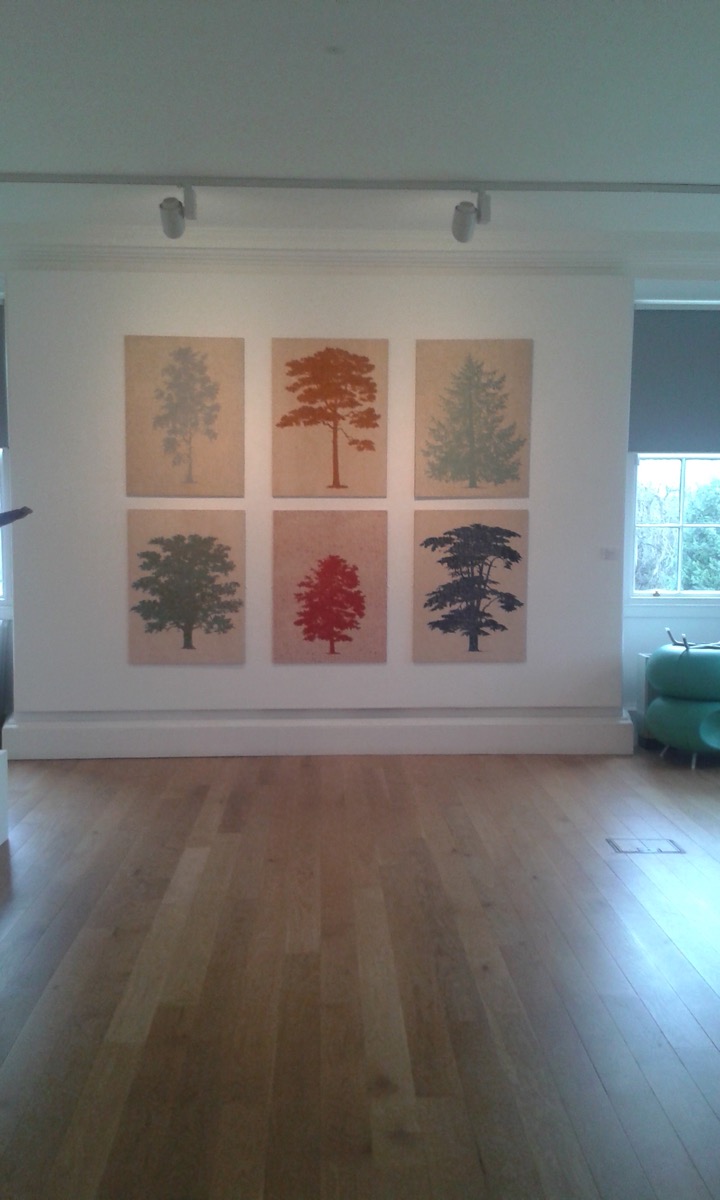
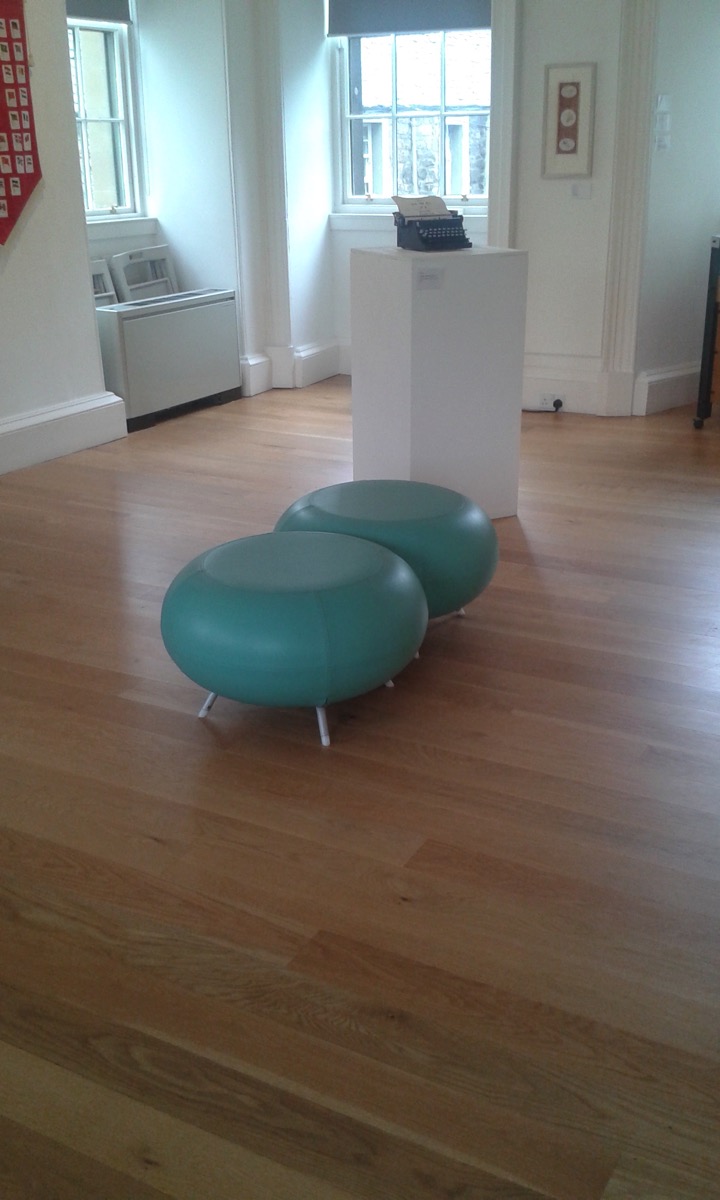
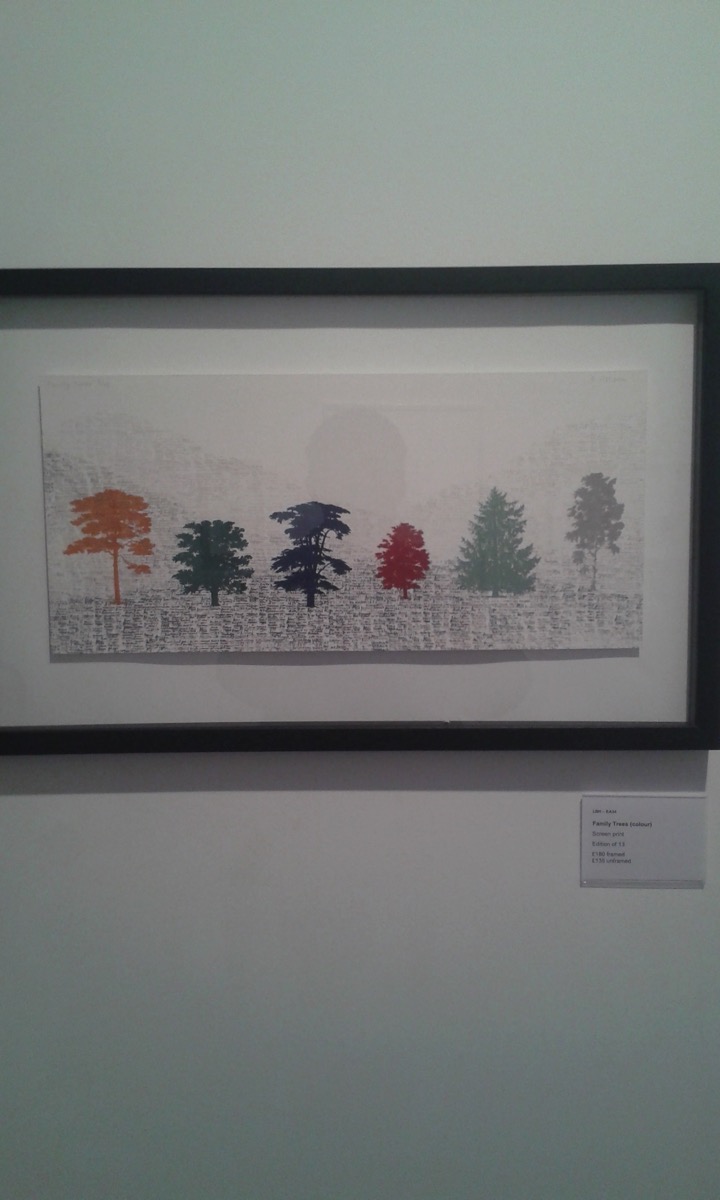
This is a diverse collection in two adjacent galleries. There is a mix of decorative materials, I liked the various tree themed prints, and assemblages of found objects. There were also small sculptures, for example a branch peppered with tiny figures. Much of the work is for sale, though I am not too sure what you would do with it. There is a theme of personal history, and remembrance. At times the exhibition was reminiscent of a memorial to the war dead, but generally the tone is lighter and the decorative elements shine through. 

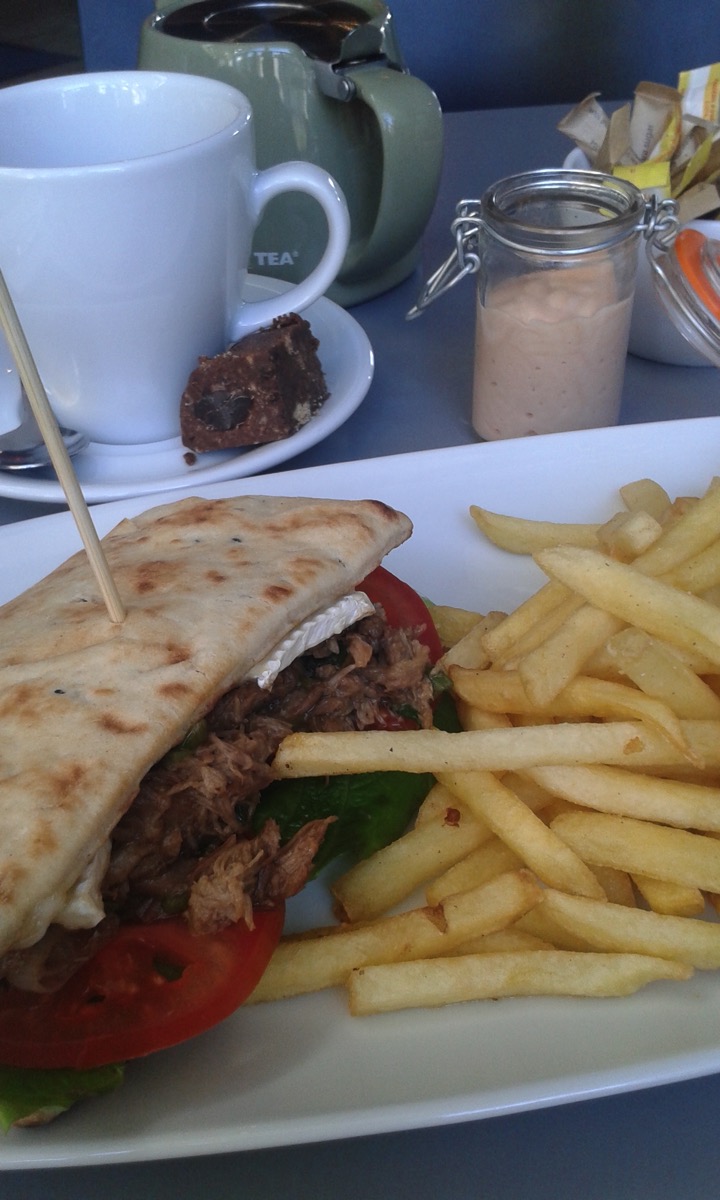
The Burgh Hall also feature a small cafe, tourist information and some nice affordable jewellery.


2016 04 13 11 56 02


2016 04 13 11 53 57


2016 04 13 11 53 312016 04 13 11 55 34


2016 04 13 12 08 10


Sunday, 3 April 2016

Utopian Cities - Future Dreams

Utopian Cities - Future Dreams 

Wednesday 30th March 17:30 to 19:00

@ Anatomy Lecture Theatre, Summerhall, Edinburgh 

part of Scotland’s Festival of Architecture 2016

C7EF266C D603 FA21 42AF 6550C6CC36A9

Just to demonstrate that I am partaking of the full range of what the most excellent Festival of Architecture has to offer, some quick notes on one of their lectures. 

The lecture is one of many, but was scheduled at a time and place that was easy enough for me to get to. It was in the Anatomy Lecture Theatre at Summerhall, which used to be the Royal Dick, the Edinburgh University Veterinary Medicine Department. The vets have all now moved to a new campus on the south of the city, and the venue has been lightly refurbished as a general arts venue. Most cities probably could not support such a range and number of venues, but Edinburgh is a festival city, and there seems no limit to the steady growth of arts culture and general festival-ness. 

I think the event was one of many concurrent Science Festival Events, the reception staff were pleasant and happily accepted the printed version of my online ticket. We went into the lecture theatre, semi circles of steeply raked oak seats, peering down on the lecturers. The event was packed, but the venue probably held less than fifty people. 

Utopia is a big topic, and there were two schools of thought. The first two speakers, Dr Diane Morgan and Dr Matthew Beaumont took a literary approach, stretching from Thomas More’s Utopia to the recent film London has Fallen. The Beaumont lecture was similar to one that is available online, check out the LSE Future Cities series. While, for me, there is some interest in the literary notion of utopia, looking back on stuff that people have already said will only ever take you so far. 

There was a brisk and spirited piece by Richard Murphy, which presumably reflects his recent book Last Futures. In fact from what I have read of Last Futures it was written in the style of a textbook, while his lecture was far more engaging. He seemed to find something insightful and new to say about the overly familiar sixties and seventies. 

For me the standout was the architect Kate MacIntosh, who adopted a distinctly humanist approach. This went beyond the usual tropes of good cities have bicycle lanes, to express genuine concern that our housing system is failing the people, and that real architecture should start from engagement with the people who will live in the houses. So that it is not just the narrow elite who can afford their own Grand Designs, but everyone that should be meaningfully involved the creation of the places where they will live. 

I do not suppose that any architect or designer actually sets out to design something that is bad. But there should be a humility that the designer is at the service of the end user. All architects probably ought to pop round five years later for a cup of tea with their residents, just to learn what they got right and what they did not. 

I don’t imagine that any one person can design utopia, it is not a destination, more a direction of travel, an exhortation to do your best. Much talk of utopia wrongly assumes that if you can just design it smart enough, then it will force the people to be happy and healthy. An architectural determinism, like the linguistics notion of the Sapir Worf hypothesis, whereby the structure of the language then determines the mindset of the speakers. Even the most grandiose of architects surely would not believe that they can design a city that forces an unwilling population to be healthy, happy, egalitarian and just.

But any true utopia won’t be built on a greenfield site. It will be built keeping the best of what is already there, involving those that live there already, enticing in those that do not. There are a lot of things that can go wrong, the architect’s perpetual bugbear of poor maintenance is one. But no architect can conceive or crystallise a perpetual utopia. It is a living breathing notion, responding to a myriad of changing circumstances. 

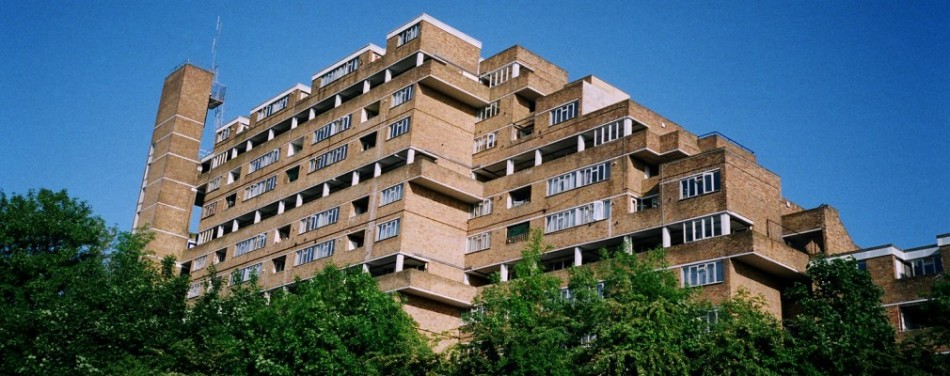
The moment that resonated the most for me was a photo of Kate, standing in front of her Dawson's Heights, with some residents, and her proud remark that by all accounts it was a pretty good place to live. Surely that is the best that any architect can aim for. 


Dawson 1 950x376

Saturday, 2 April 2016

Tiny Homes Village - Edinburgh

Tiny Homes Village

Saturday 26th March to Sunday 10th April 2016 (open daily 10.00 to 20.00)

@ The Mound, Edinburgh (next to the big galleries)

part of Scotland’s Festival of Architecture 2016

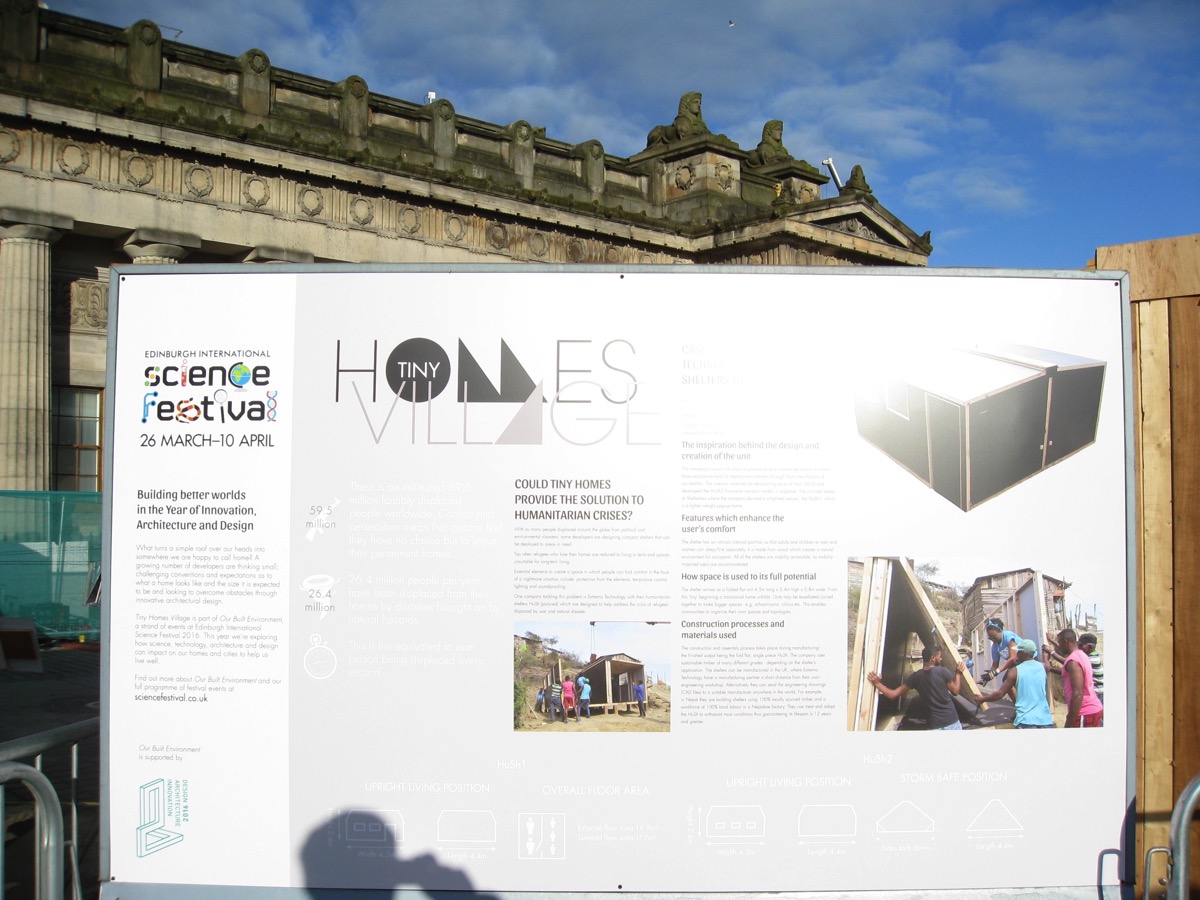
This is another element of the ongoing Festival of Architecture, which includes a bewildering variety of events, exhibitions, lectures and other assorted happenings. 

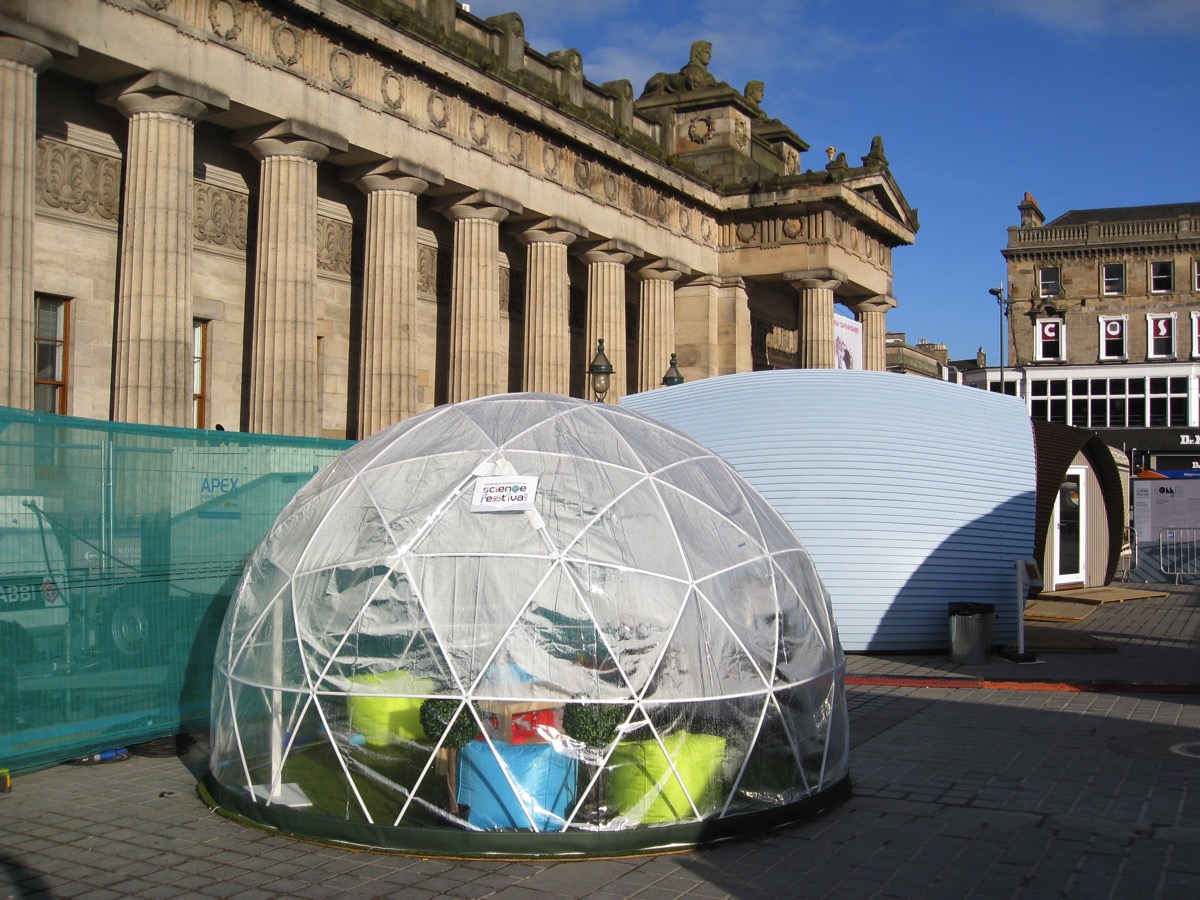
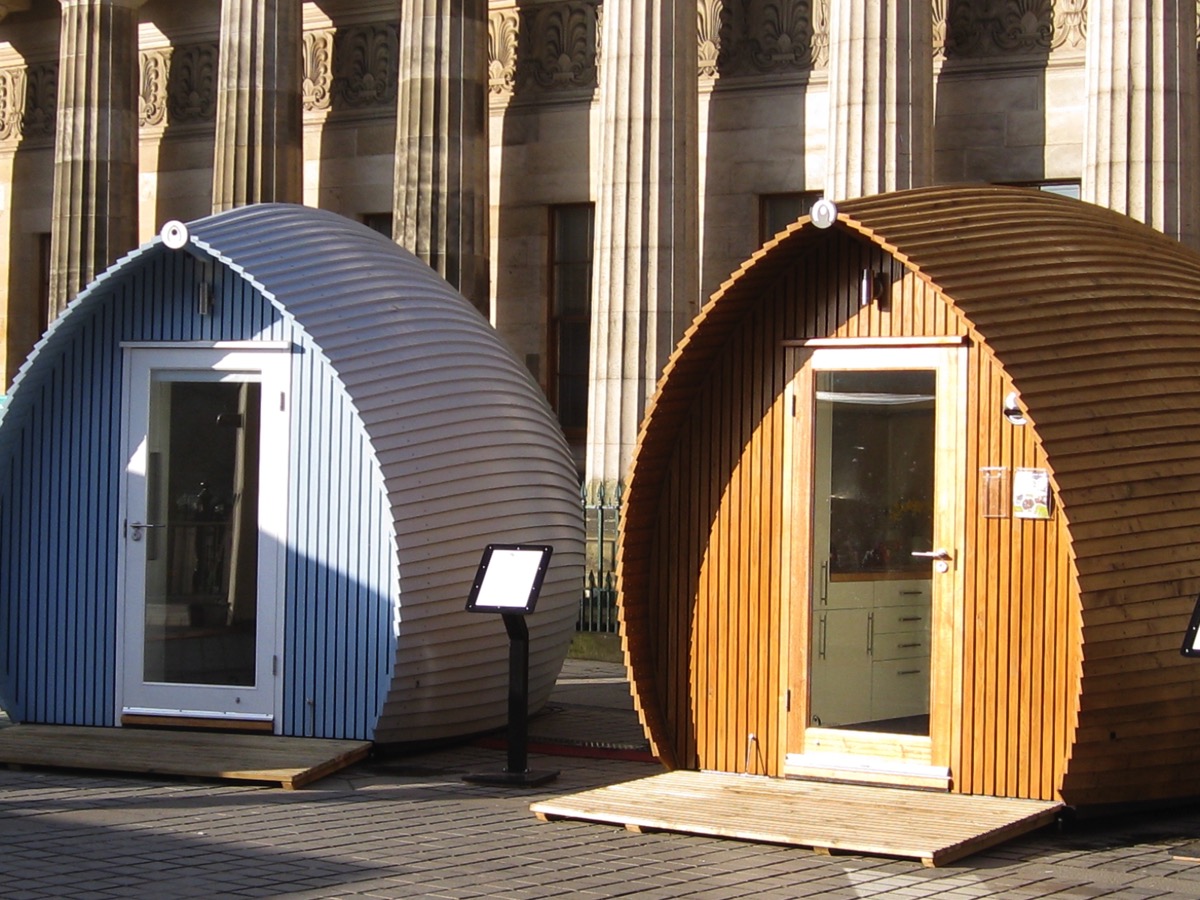
In essence this seems to be a ‘village’ of small homes on the Mound in Edinburgh. There are probably about a dozen, ranging from a yurt, to more boutique examples. Small houses are very much on trend these days, though how much of this is designer trendiness and how much is actually useful is open to debate. 

Regardless it is nice to have some great examples in Edinburgh for people to inspect. 

I’ve only managed to take a few quick photos, so I might update this when I get a chance to have a proper look. 


IMG 3957


IMG 3958


IMG 3963


IMG 3959


IMG 3961

Monday, 28 March 2016

in praise of forgetfulness

When I was young, and pondering my ultimate resting place, I was pretty sure that my gravestone would be sandstone or limestone as time would eventually remove all trace of the inscription, and eventually it would fail to serve as even a marker. The alternative option was slate, on the grounds that it was cheap and unpretentious. I did not want one of those jarring granite gravestones that seemed utterly impervious to age, providing a discordant element amongst their lichen covered colleagues. 

There is a seasonality to things, and that is right. 

The same applies for buildings. A stately home might be beautiful and imposing, but nowadays they are struggling to find any function that can pay the bills. This is not a criticism of our current lack of ingenuity. The stately homes were never functional. They were always intended as a temporary retreat, the ultimate boutique hotel for the super wealthy, where they might reside and invite their friends, before moving on. There was bustle and staff, but that was all to service the gentry. A stately home might sit at the centre of a massive estate, but the profits earned by the estate would be conspicuously consumed by the stately home, in effect it was a classy bonfire of available cash. 

We should not be unduly encumbered by the past. There are some remarkable buildings out there, and the best of them should be conserved, but we should not feel duty bound to preserve every relic of a bygone age. 

Sunday, 20 March 2016

Grey Gardens an exhibition at Dundee Contemporary Arts

Grey Gardens 

27th February 2016 until 1 May 2016 (open daily 11:00 to 18:00)

@ Dundee Contemporary Arts 

part of Scotland’s Festival of Architecture 2016

This exhibition under the distinctly permissive theme of Art and Architecture inspired by nature and modernity makes excellent use of two hefty galleries at Dundee Contemporary Arts.

To my shame I have not visited the DCA before and the building itself is rather spectacular, in common with the Fruitmarket Gallery in Edinburgh this is another post industrial architectural repurposing by Richard Murphy Architects. The DCA also incorporates a couple of cinema screens, and is the sort of lively arts hub that would be the envy of any city. Dundee is posing a serious threat to Glasgow as Scotland’s design led regeneration capital. It is also possible to pick up a nice lunch and sit outside on the rare clement days. 

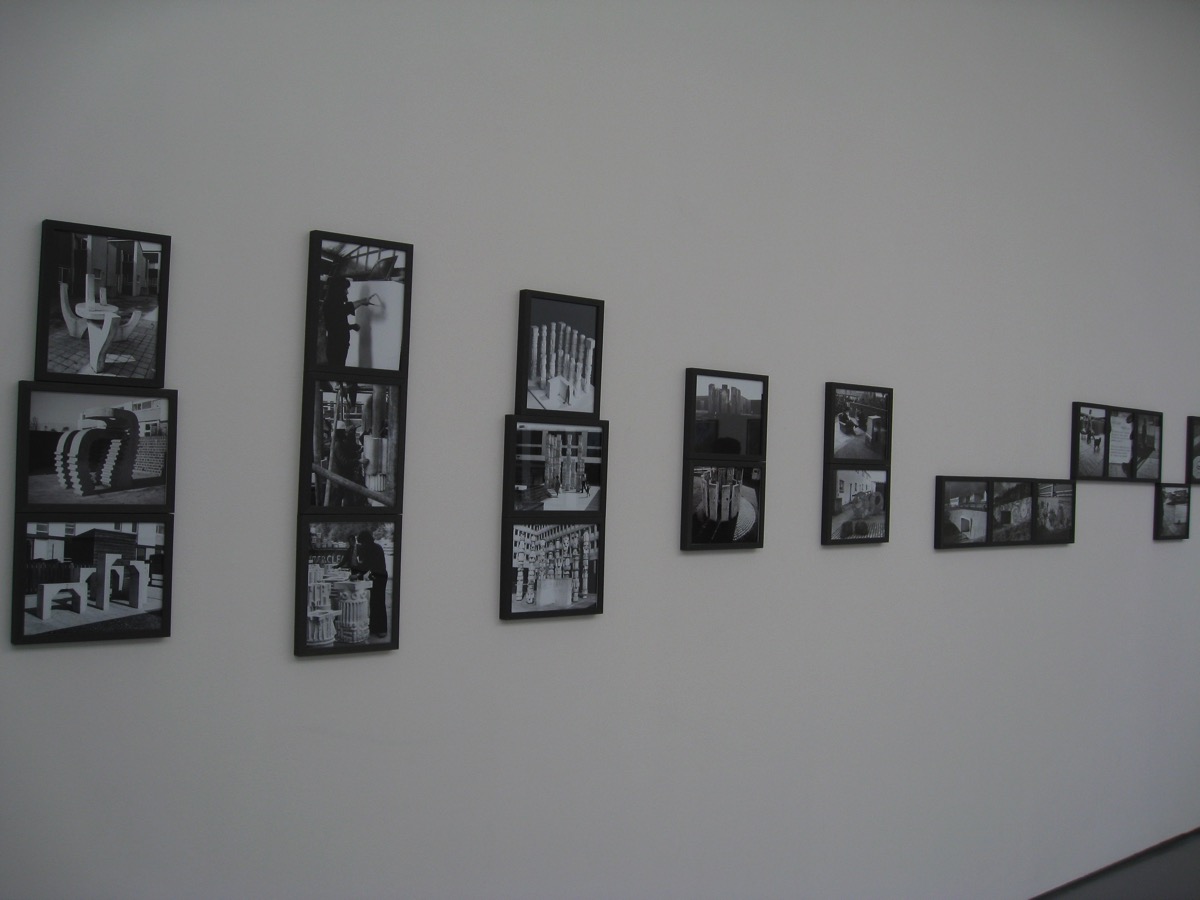
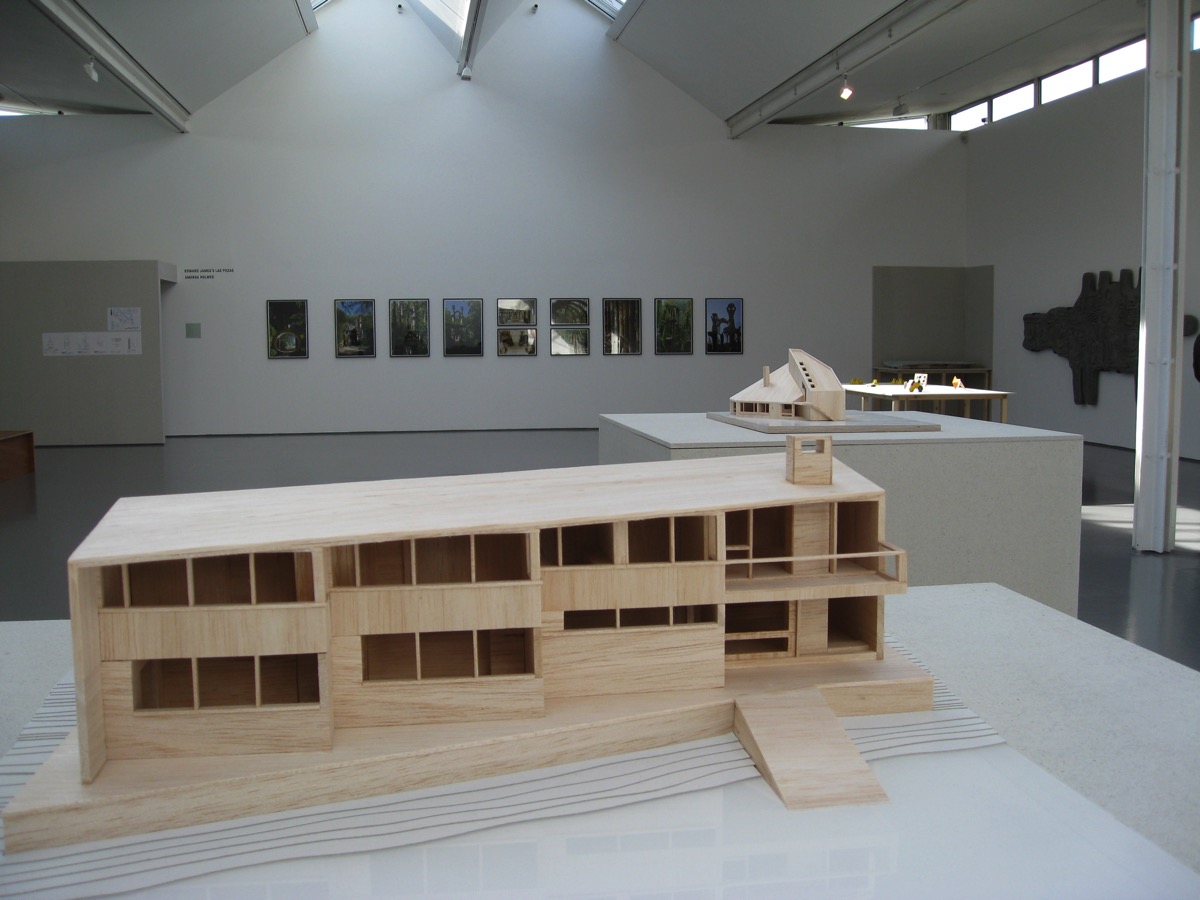
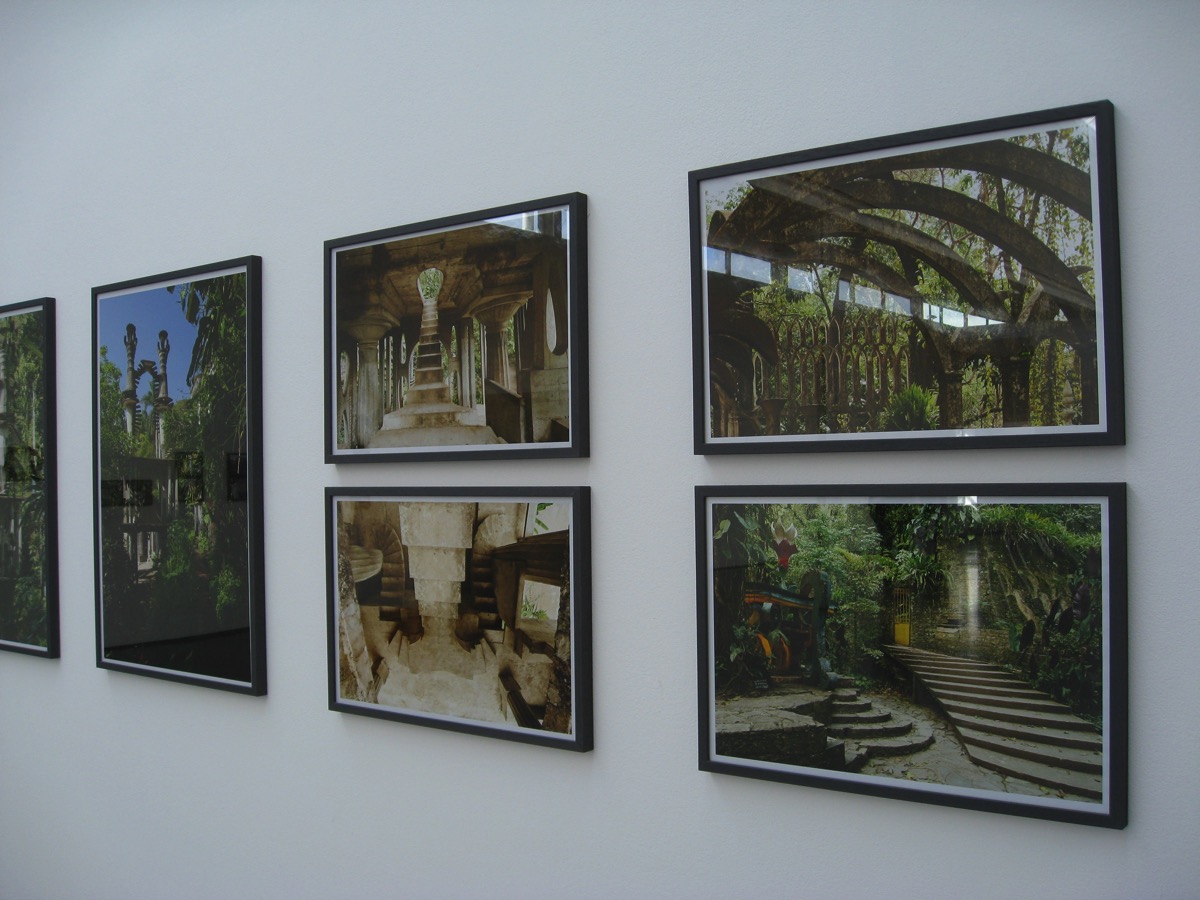
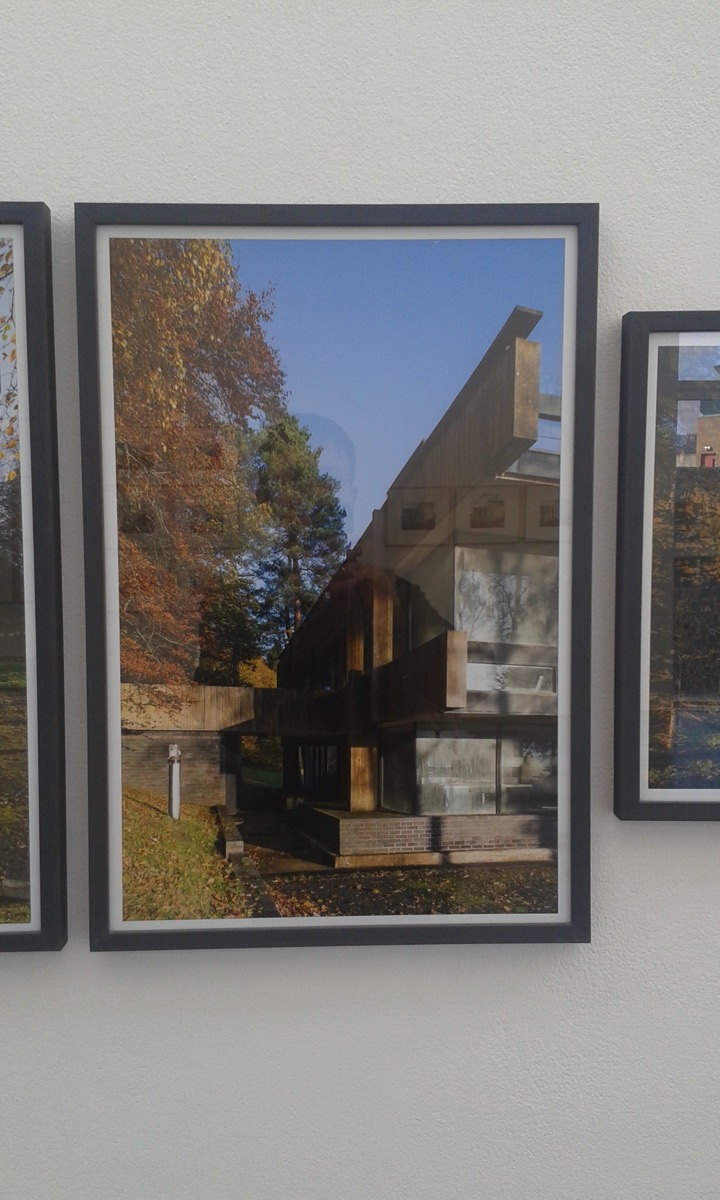
The exhibition includes material on the Glenrothes and Cumbernauld appointed artists for those new towns, as well as material on post war modernist housing in Scotland. Personally while I love European modernism or Los Angeles case study houses, the Scottish variety simply reminds me of unloved municipal buildings. Perhaps there is something to do with the Scottish lack of light and prevailing wetness that makes epic windows and expanses of concrete impractical and inappropriate. However with the recent resurgence in the appreciation of brutalism, Scottish modernism is due a reappraisal. There is material on the Las Pozas jungle follies of Edward James, which look like the lost inca cities of Piranesi. There are also some photos demonstrating how the differing light picks out different details in Carlo Scarpa’s Tomba Brion. 

addition to the usual photos, there are a variety of models, a film loop of Scottish modernist houses, many commissioned by doctors, a loop of a fascinating and odd film about Edward James, though leaving the lengthy credits on the loop might deter those dropping in. 

I am sure that I have not covered everything, and as with the DCA itself, there is plenty here to repay repeated visits. 

IMG 3887


IMG 3889


IMG 3891


IMG 3895


2016 03 19 13 01 5620160319 130137

20160319 131919


Monday, 14 March 2016

Shelter an exhibition at Kirkcaldy Museum and Art Gallery

Shelter 

5th March 2016 until 5th June 2016

@ Kirkcaldy Art Gallery and Museum 

part of Scotland’s Festival of Architecture 2016

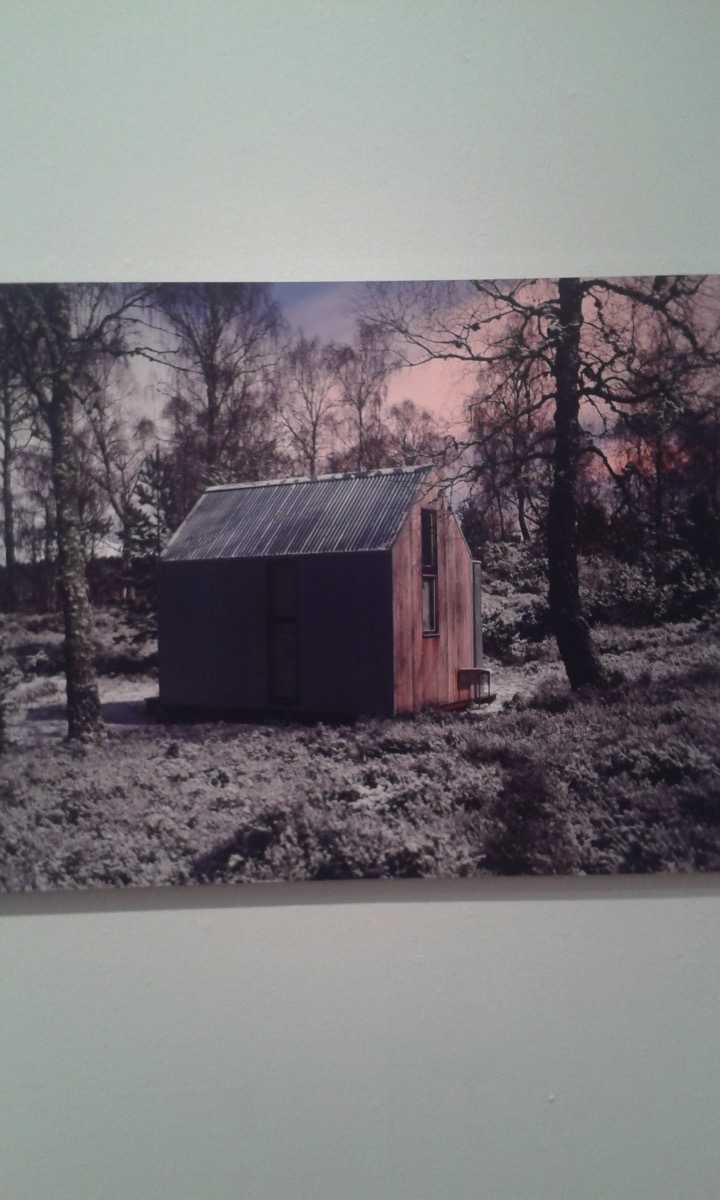
This is an exhibition of two parts, one gallery includes images from the publications of Lloyd Kahn, editor in chief of Shelter publications in California. Along with Buckminster Fuller and Stewart Brand he was an early advocate of the benefits of geodesic domes, though he later recanted his position with a further publication on how impractical they were. The images are from around the world and show some fairly extreme shelters nestling in some at times pretty inhospitable places, along with some stories of people for whom the home comforts need be little more than a roof and some walls. A collection of his books is also available for browsing. In case you have not guessed there is a strong whiff of the American West coast counterculture. 

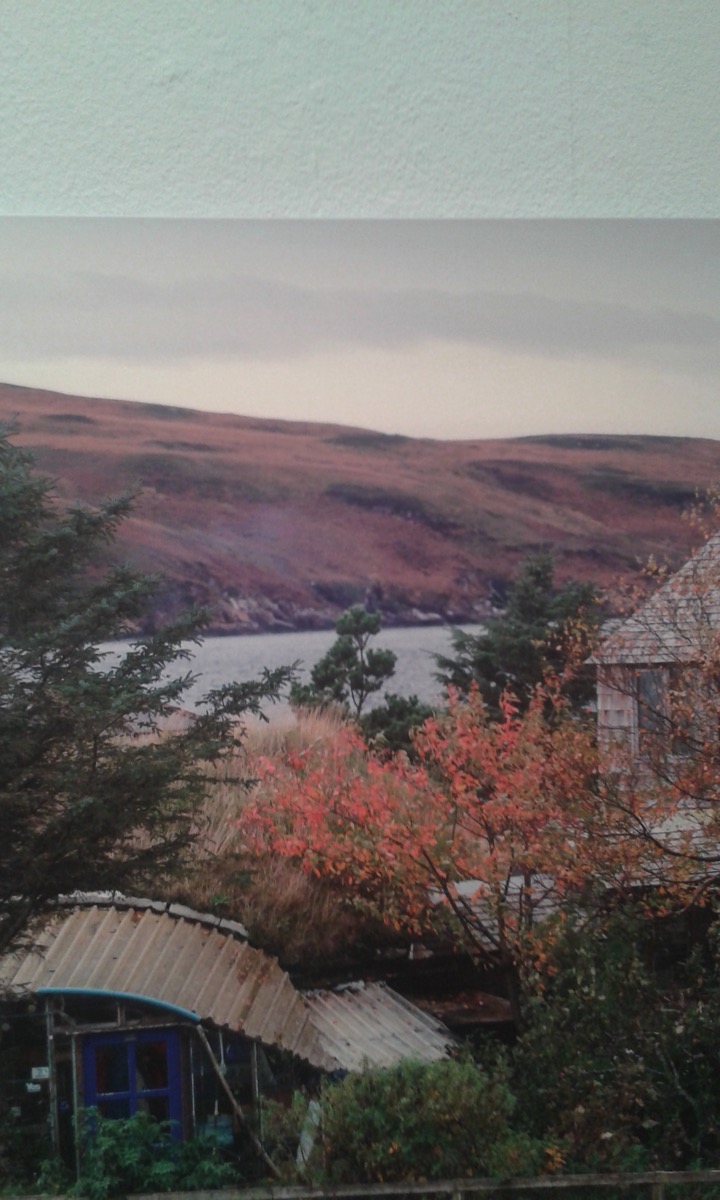
The other gallery consists larger more glossy photos of a variety of Scottish shelters (I think) some are ad hoc galleries, some seem to be more reflective spaces and some are the sort of places where readers of Permaculture magazine might aspire to dwelling. There is also a strange concrete castle thing on top of a very rocky promontory that seems to be some sort of striking art statement. 

This is certainly not hipster Apartment Therapy territory, these are shelters at their most basic, that are totally in tune with their environment, having largely been crafted from things picked up along the way. It is a thought provoking and inspiring exhibition that is proving popular with visitors.

2016 03 14 14 14 52


2016 03 14 14 15 05


2016 03 14 14 15 20


2016 03 14 14 13 13


2016 03 14 14 13 38


2016 03 14 14 13 48


Sunday, 6 March 2016

Nobody's Home an exhibition by John Maher

Nobody's Home

John Maher Photographic Exhibition

26th Feb 2016 until 10th Apr 2016

@ Andrew Carnegie Museum, Dunfermline


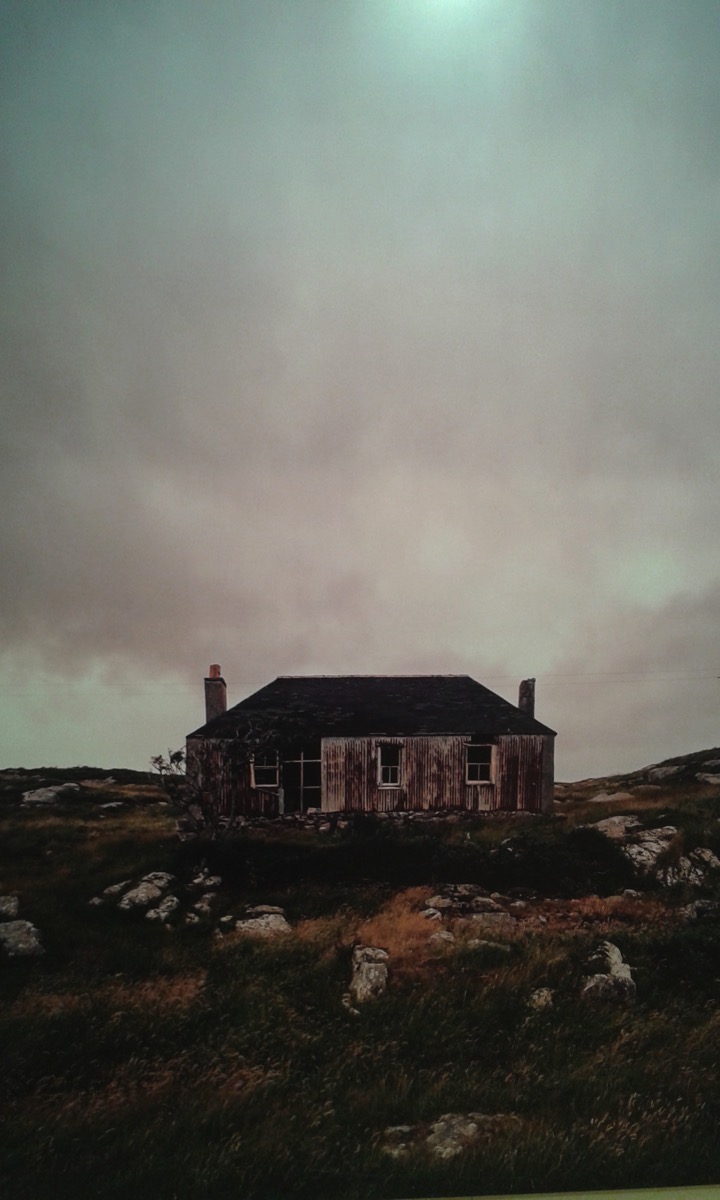
This is a wee gem of an exhibition, around twenty photos of abandoned houses on the Isle of Harris taken by former Buzzcocks' drummer John Maher. The island is so remote, and houses so isolated that they are often closer to the sea than they are to a road. Accordingly when the residents finally come to stop living in these houses, there is little demand for them, and even getting a removal van to the door can be impractical. So the when the hardy souls that have lived there move on, they seem to simply be abandoned. Furniture can be left and the door is closed. Time passes, sheep shelter in the living room, the ceiling falls in the kitchen, but like a church that is always left open, there is something that compels those passing by to treat these relics with respect.


2016 03 01 10 58 152016 03 01 10 58 47

2016 03 01 10 57 37

2016 03 01 10 57 50